
Ajvar season is coming: Turkish allies for the best zimnica
Late August in Serbia means ajvar season: roasted peppers perfume whole neighborhoods and every kitchen turns into a small preserving plant. Turkish cuisine keeps a parallel tradition — biber salçası — and its ingredients can be the secret weapon of your zimnica.
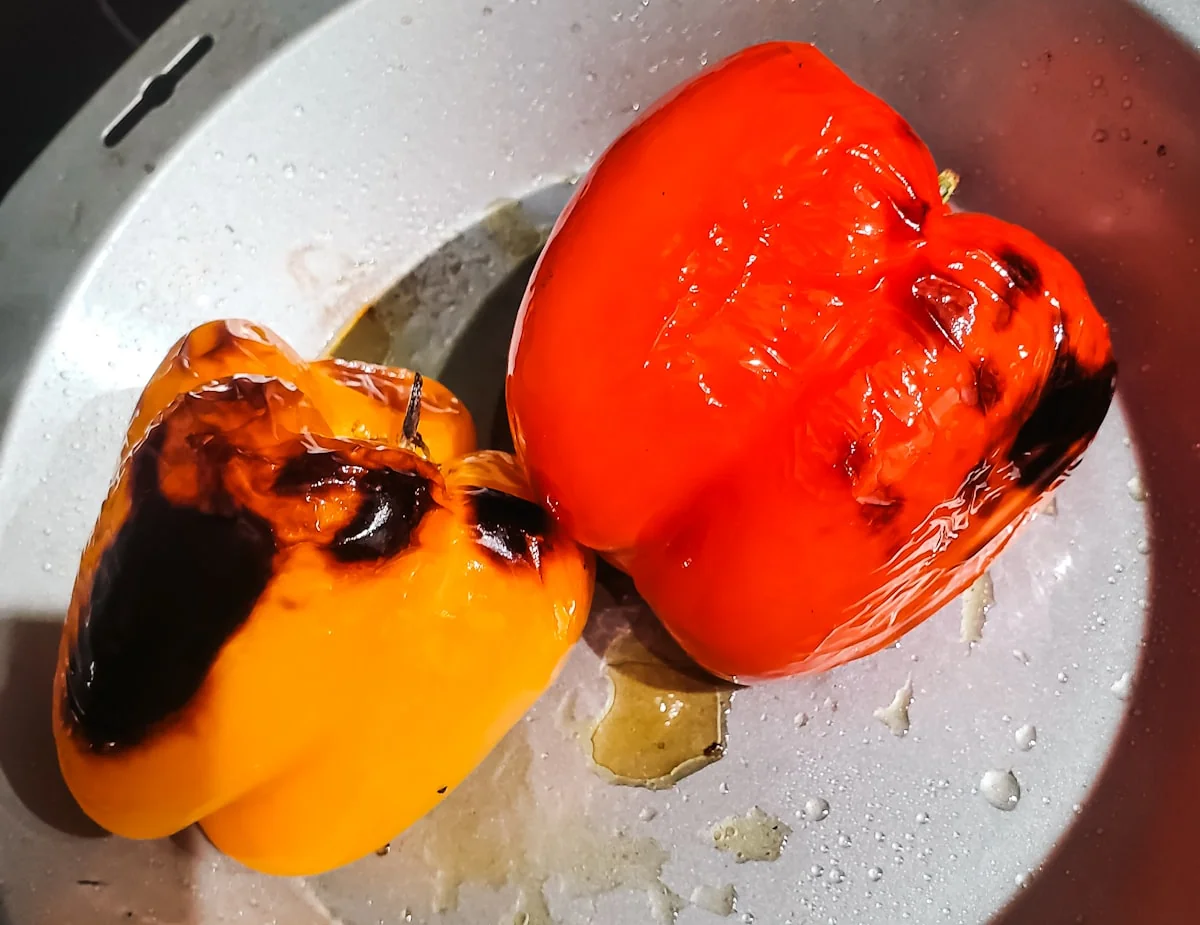
If you have spent a late August in Serbia, you know the ritual: crates of red peppers at the market, huge pots in every yard, the smell of roasting peppers everywhere. Ajvar season. At the very same time in Turkey, home cooks are doing almost the same thing — except their result is called biber salçası, pepper paste. Two cuisines, one instinct: capture summer in a jar.
Ajvar and biber salçası: parallel traditions
Ajvar is roasted, minced and slow-cooked pepper; biber salçası is pepper reduced to a dense paste, in sweet and hot versions, used as a base for soups, marinades and stews. Taste them side by side and the family resemblance is obvious — which is exactly why Turkish ingredients blend so naturally into Serbian zimnica.
Tucana paprika, a quick primer
One term worth knowing: tucana paprika — literally "pounded pepper", the exact counterpart of Turkish pul biber — is coarsely crushed dried pepper with seeds, giving texture and gradual heat, while mlevena is a fine powder for color and even flavor. In winter preserving they work as a team: the powder paints, the flakes bite.
Turkish allies for your winter pantry
- For heat lovers: hot crushed paprika (pul biber) 1 kg gives even, reliable heat jar after jar; hot paprika powder 500 g for fine dosing
- For sweet depth: sweet crushed paprika 1 kg and sweet paprika powder — a spoon near the end of cooking boosts color and aroma
- Tomato reinforcement: tomato paste 660 ml, or the 5 kg pack for serious batches
- Ready-made shortcut: hot pepper paste 630 g and sweet pepper paste — Turkey's "instant zimnica"
- The pickle front: grape vinegar makes milder, more aromatic tursija; skipping the ritual this year? mixed pickles 5 kg and peperoni pickles come ready
Ajvar in five steps
- Roast fleshy red peppers (the roga type) until the skin is evenly charred; rest them under a cloth so the skin slips off.
- Drain the peeled peppers overnight — excess water is the number-one cause of ajvar going sour.
- Mince and cook low and slow for 1-2 hours, feeding in oil gradually while stirring to the bottom without pause.
- Salt, vinegar and heat go in during the last half hour, once the flavor has settled.
- Fill sterilized jars hot and cool them upside down.
Worth the effort? Absolutely — homemade ajvar beats any factory. The smart move is combining the ritual with a Turkish pantry: a spoon of sweet crushed paprika for color while cooking, and pepper paste as winter backup once the homemade jars run out in December.
Know your peppers
Confused about which pepper does what? Start with sweet vs hot crushed paprika, then the pul biber vs isot vs Aleppo comparison, and the full picture in the complete Turkish spice guide. All products live in the spices category.
Get ready before the rush
Peppers won't wait — and neither should your pantry. Browse the full catalog (prices on the site), nationwide delivery across Serbia. Restaurants and shops: our B2B portal covers bulk sizes. Questions? The contact form is open.
Discover authentic Turkish foods in our store.
Browse productsMore posts
Gibanica and Turkish börek: cousins across the Bosphorus
Gibanica, Sarajevo burek, Turkish su böreği and sigara böreği all come from the same Otto…
Kajmak vs Turkish kaymak: one word, two worlds
Kajmak is one of the few words a Serb and a Turk pronounce identically — while meaning tw…
Sumac in Serbian Cooking: 5 Dishes It Changes Forever
You have tasted sumac in a Turkish restaurant and wondered about that tangy red magic. He…