
Kajmak vs Turkish kaymak: one word, two worlds
Kajmak is one of the few words a Serb and a Turk pronounce identically — while meaning two different things. The story of matured, salty Kraljevo kajmak and fresh, sweet Afyon kaymak, plus everything you need for the sweet side of a Turkish breakfast in Serbia.
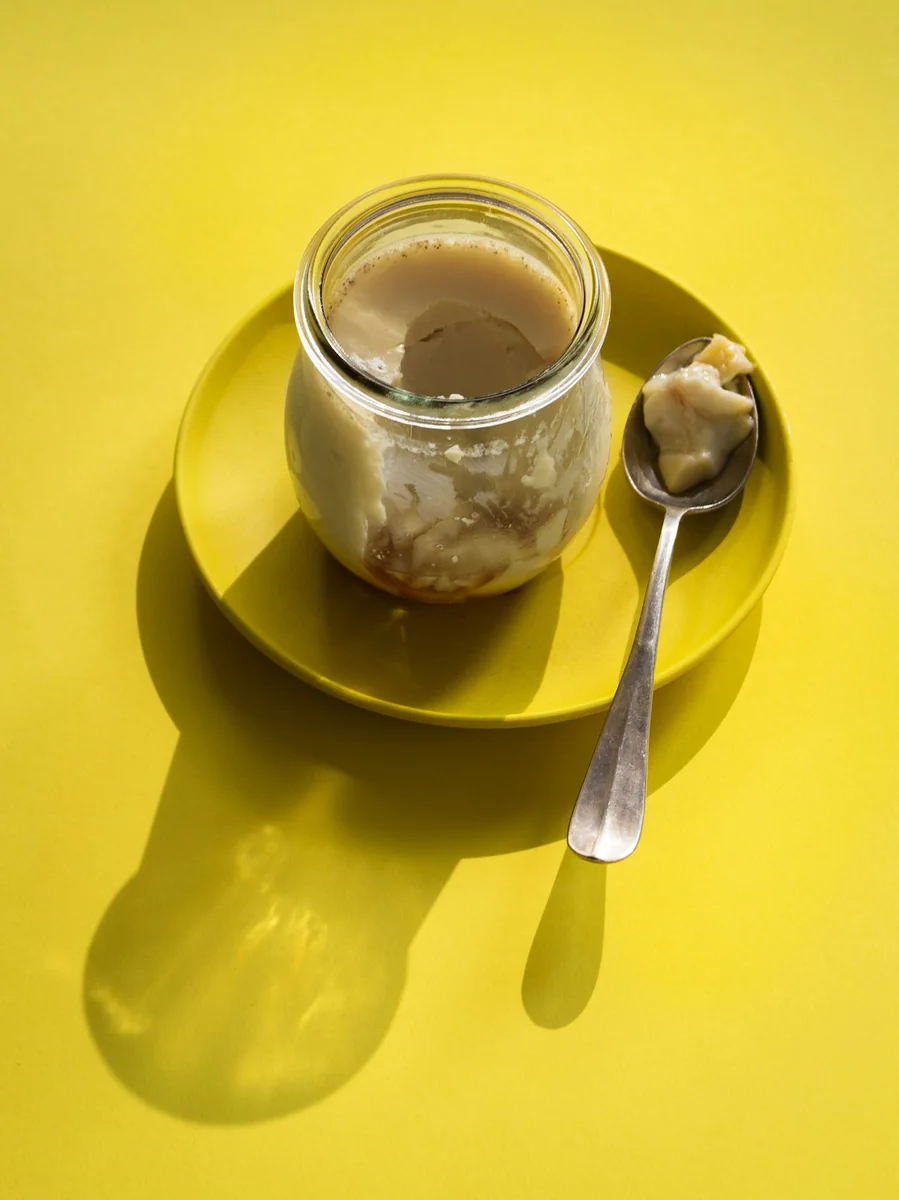
Some words travel without a translator: sarma, burek, čaj, jogurt... and kajmak. The word came into Serbian from Turkish (kaymak — literally "what gathers on the surface") along with Ottoman cuisine, and it settled in so deeply that Kraljevo and Čačak now defend kajmak as a national treasure. Here is the twist: when a Turk and a Serb say "kajmak", they mean two different things.
Serbian kajmak: matured, salty, full of character
Serbian kajmak is a matured dairy product. The skin of boiled milk is collected, layered in wooden vessels, salted and left to ripen for days or weeks. The result is intense, slightly tangy and salty — unbeatable next to grilled meat and warm lepinja bread.
Turkish kaymak: fresh, sweet, made for mornings
Turkish kaymak is the opposite: a fresh, unsalted cream, traditionally made from water-buffalo milk (Afyon is the famous origin), eaten the very day it is made. The classic serving is "bal kaymak" — kaymak under a generous layer of honey, with warm bread and black tea. It is the crown of the Turkish breakfast table — see our complete Turkish breakfast guide.
Two technologies, one magic
Both products start at the same place — the rich surface of milk — then part ways. The Serbian master skims the skin off cooled boiled milk, layers it in a wooden vessel, salts every layer and lets time work: a day for mild, a month for mature. The Turkish master keeps milk over low heat for hours, then chills the surface overnight until it sets into a thick, elastic sheet that rolls like a pancake. The first method was born to preserve milk through winter; the second celebrates the morning — kaymak is made to be eaten fresh, the same day. One ingredient, two answers to two different questions.
Building the sweet table in Serbia
Fresh kaymak does not travel well, but the sweet side of a Turkish breakfast does. From our warehouse in Belgrade:
- Tahini + grape molasses set 750 g — the Turkish winter classic, mixed right on the plate; more in our tahini guide
- Dried fig jam and Malatya apricot jam by Seyidoğlu
- Portion strawberry jam and hazelnut cream — handy single servings
- Plain sesame halva — melts next to tea or coffee
For the tea side: Çaykur Tiryaki 1 kg, a double-stacked steel teapot and Paşabahçe tulip glasses. Brewing technique is covered in how to brew Turkish tea.
A weekend experiment
Buy young (mildly salted) kajmak at a Serbian green market, drizzle it with good honey and serve with warm bread and black tea. It is the closest Serbia gets to an Afyon breakfast — and a lovely proof that the two cuisines still speak the same language. Ask the market vendor how old the kajmak is and taste before buying; the gap between a three-day and a three-week kajmak is the gap between fresh and smoked cheese.
Browse the breakfast category or the full catalog, and reach us any time via the contact form.
Discover authentic Turkish foods in our store.
Browse productsMore posts
Gibanica and Turkish börek: cousins across the Bosphorus
Gibanica, Sarajevo burek, Turkish su böreği and sigara böreği all come from the same Otto…
Ajvar season is coming: Turkish allies for the best zimnica
Late August in Serbia means ajvar season: roasted peppers perfume whole neighborhoods and…
Sumac in Serbian Cooking: 5 Dishes It Changes Forever
You have tasted sumac in a Turkish restaurant and wondered about that tangy red magic. He…