
Pul Biber vs İsot vs Aleppo — What's the Difference Between Turkish Hot Peppers?
The three most famous Turkish chili flakes — pul biber, isot, and Aleppo. Discover differences in flavor, heat, color, and how to use them.
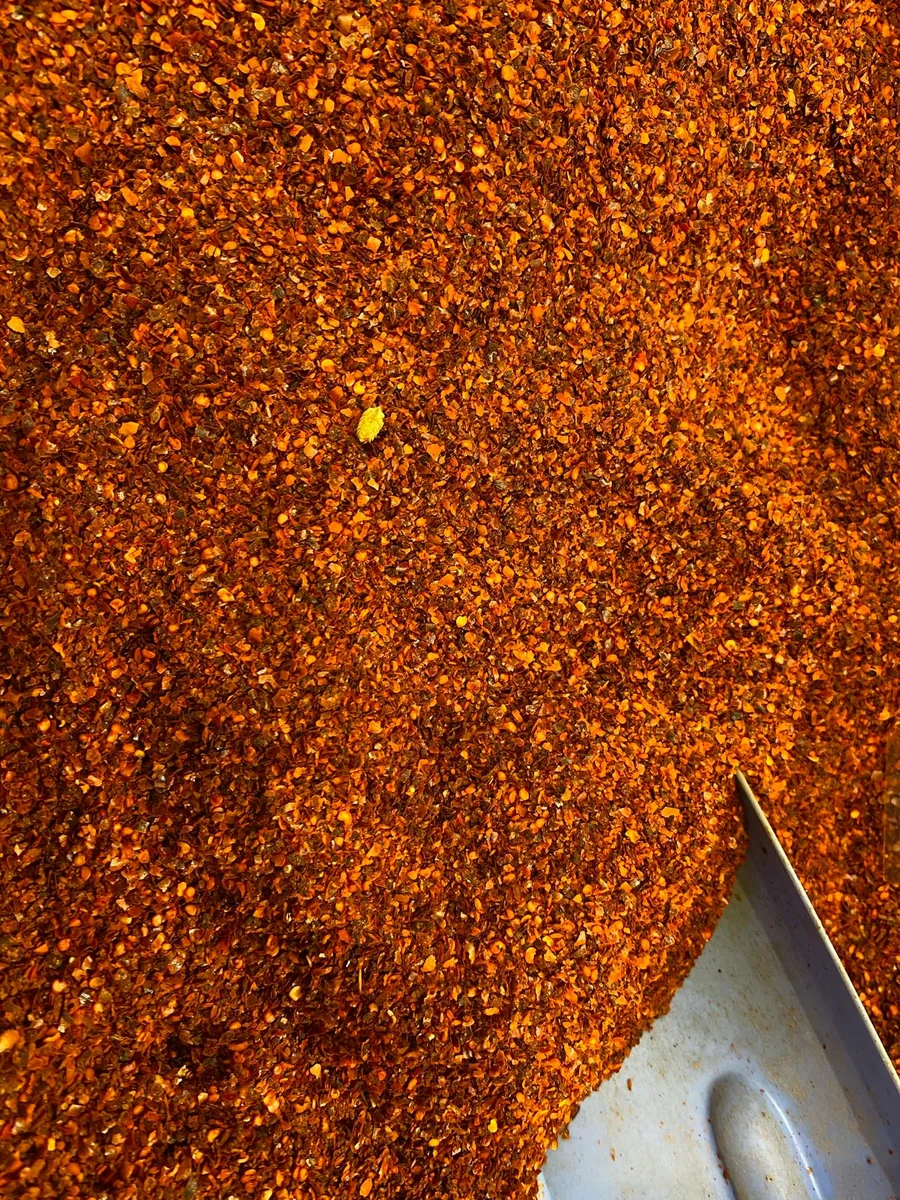
In Turkish cooking, not all "red pepper" is created equal. Three varieties define authentic flavor — pul biber, isot, and Aleppo — and the difference isn't just heat. Each has its own story, region, processing method, and role in dishes.
Comparison Table
Pul Biberİsot (Urfa)Aleppo RegionAll TurkeyŞanlıurfaSyria/southern Turkey ColorBright redDark purple/almost blackRed-burgundy TextureCoarsely crushedMoist, oilyMoist, coarse flakes Heat (Scoville)30,000-50,0005,000-10,00010,000-30,000 DryingSunSun by day + cloth-wrap at nightSun + oil Flavor profileFiery, clean heatSweet, dried fruit, smokeSweet, cumin, mildly tart1. Pul Biber
Pul biber is the most famous Turkish chili. Coarsely crushed flakes of intense red color. Classically sprinkled over everything — pizza, pide, manti, ćevapi, salads. Delivers fiery heat with a small "cooked" finish.
Best for: pizza, kebab, salads, soups, marinades
2. İsot Pepper (Urfa)
İsot is the most sophisticated of the three. From the Şanlıurfa region in southeastern Turkey. The trick: pepper is sun-dried during the day, then wrapped in cloth at night to retain moisture. This fermentation gives it the distinctive dark purple color, smoky aroma, and notes of dried fruit and chocolate.
Less heat than pul biber, but far more character. Our Suntat İsot.
Best for: kebab, çiğ köfte, kısır, lentil soup, bulgur dishes
3. Aleppo Pepper
Aleppo comes from the city of the same name on the Syrian-Turkish border. Similar to isot, but dried with olive oil. Sweet, mildly smoky, with notes of cumin and slightly tart finish. Ideal for dishes requiring more complex flavor.
Best for: meat, pasta, hummus, eggs, shakshuka
Alternatives from our catalog: if you can't find true Aleppo, our Suntat hot ground paprika or sweet ground paprika deliver a similar flavor profile for most dishes.
What Should I Buy for My Kitchen?
- Beginner? Start with pul biber. Most universal.
- Love complexity? İsot. Adds depth pul biber can't match.
- Mediterranean cooking? Aleppo. Ideal for merging Turkish and Mediterranean flavors.
- Restaurant? All three — different dishes call for different chilies.
Pro Trick: Double Heat
Professional cooks in Turkey often use 50% pul biber + 50% isot as the base. Pul biber delivers the punch, isot the complexity. Try it in your next mercimek soup.
The difference between pul biber and isot isn't marketing — it's the difference between simple heat and a complex aroma that transforms a whole dish.
Storage
Keep all three in dark, dry containers. Pul biber: up to 12 months. İsot: up to 6 months (due to moisture). Aleppo: up to 12 months.
Frequently Asked Questions
Can I substitute cayenne for pul biber?
Technically yes, but you'll lose character — cayenne is just heat. Pul biber has both aroma and slight sweetness.
Is isot spicy?
Less than pul biber (5-10k Scoville vs 30-50k). It will surprise you with complexity rather than heat.
Discover authentic Turkish foods in our store.
Browse productsMore posts
Gibanica and Turkish börek: cousins across the Bosphorus
Gibanica, Sarajevo burek, Turkish su böreği and sigara böreği all come from the same Otto…
Ajvar season is coming: Turkish allies for the best zimnica
Late August in Serbia means ajvar season: roasted peppers perfume whole neighborhoods and…
Kajmak vs Turkish kaymak: one word, two worlds
Kajmak is one of the few words a Serb and a Turk pronounce identically — while meaning tw…