
Turkish Rice — Which to Choose (Baldo, Kočani) and How to Cook Pilaf
Baldo or Kočani? Which rice for which dish, and how to cook perfect fluffy Turkish pilaf with golden vermicelli — step by step.
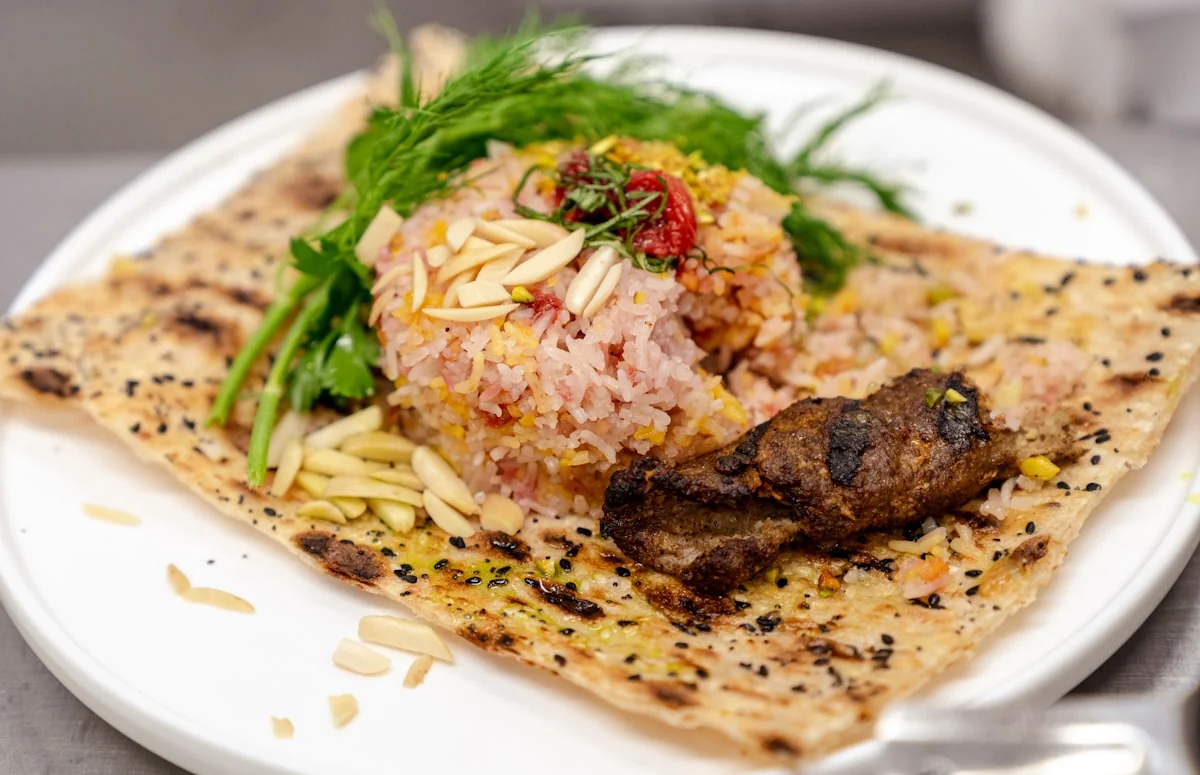
Turkish pilaf looks simple, but the difference between fluffy, glossy rice and a sticky lump starts with the choice of rice. This guide explains which rice suits which dish and how to cook perfect Turkish pilaf.
Baldo vs Kočani — which to choose?
- Baldo rice — a medium-round grain that absorbs liquid and stays full-bodied. An all-rounder: Turkish pilaf, sarma, stuffed peppers, rice pudding (sütlaç), even risotto. For most households this is the rice.
- Kočani rice 25 kg — a bulk pack for HoReCa and high-use households. Same cooking quality, better value per kilo.
Brands like Baktat are the standard in Turkey — look for clean, uniform grain without too many broken bits.
Which rice for which dish?
- Turkish pilaf (with meat): Baldo + a little vermicelli for golden colour.
- Sarma / stuffed peppers: Baldo — expands enough but holds shape.
- Rice pudding (sütlaç): Baldo — creamy, releases starch.
- Large volumes (restaurant): Kočani 25 kg.
Recipe — perfect Turkish pilaf with vermicelli
A classic fluffy pilaf with golden roasted vermicelli (şehriye) or orzo.
Ingredients (serves 4)
- 2 cups Baldo rice
- 1/2 cup roasted vermicelli (şehriye) or orzo
- 2 tbsp butter or oil
- 3 cups hot water or stock (~1:1.5)
- Salt
Method
- Rinse the rice until the water runs clear (or soak 20 min in warm salted water), drain.
- In butter, fry the vermicelli until golden.
- Add the drained rice, fry 2 minutes.
- Pour in hot water/stock, salt, cover and simmer 12-15 minutes.
- Off the heat, put a cloth under the lid, rest 10 minutes (demlenme), then fluff.
Tips for fluffy pilaf
- Rinsing is key — removes excess starch, keeps grains separate.
- Water ratio for Baldo: ~1:1.5 (less than long-grain basmati).
- The resting (demlenme) step with a cloth absorbs excess moisture — don't skip it.
- Stock instead of water = deeper flavour.
Frequently Asked Questions
Baldo or Kočani — what is the difference? Baldo is a medium-round grain type (for pilaf, sarma, rice pudding) in a household pack. Kočani 25 kg is a bulk pack for HoReCa and heavy use.
What is the water ratio for Turkish pilaf? For Baldo, roughly 1 part rice to 1.5 parts liquid. Basmati needs more water; Baldo less.
Why add vermicelli (şehriye)? Roasted vermicelli gives the characteristic golden colour and mildly nutty taste of traditional Turkish pilaf.
For more ideas see the 5 best Turkish pilaf recipes and the full catalogue.
Discover authentic Turkish foods in our store.
Browse productsMore posts
Gibanica and Turkish börek: cousins across the Bosphorus
Gibanica, Sarajevo burek, Turkish su böreği and sigara böreği all come from the same Otto…
Ajvar season is coming: Turkish allies for the best zimnica
Late August in Serbia means ajvar season: roasted peppers perfume whole neighborhoods and…
Kajmak vs Turkish kaymak: one word, two worlds
Kajmak is one of the few words a Serb and a Turk pronounce identically — while meaning tw…