
What is Sumac? Discover Turkey's Tangy Lemon Spice
Sumac is an ancient spice with a distinctive lemon-tangy flavor. Discover what it is, how to use it, and why it's essential in Turkish cuisine.
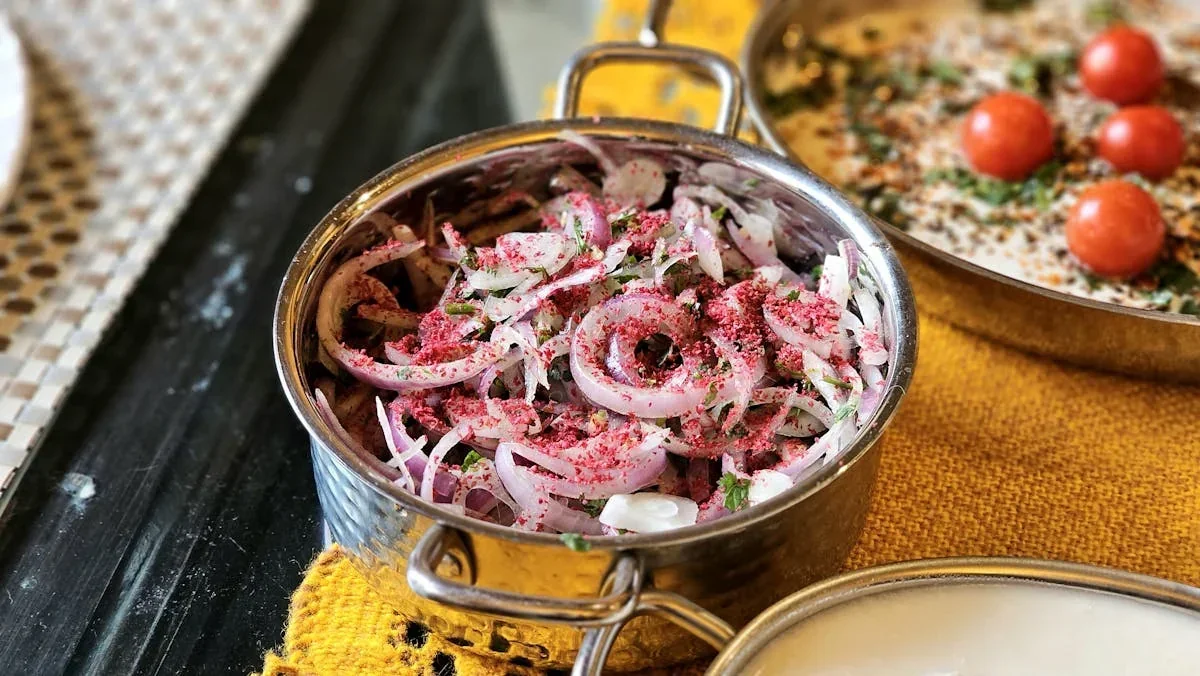
If you've ever seen a red powder sprinkled on a Mediterranean salad or kebab — that was probably sumac. An ancient spice making a modern comeback, with a distinctive tangy lemon flavor and deep red color.
What is Sumac?
Sumac (Rhus coriaria) is a plant in the Anacardiaceae family (same as cashews and mangoes). Its berries are dried and ground into a dark red powder. It grows wild around the Mediterranean, Middle East, and southern Turkey, where it's also cultivated commercially.
Taste and Characteristics
- Taste: tangy, lemony, slightly salty, no bitterness
- Color: dark red (garnet-purple)
- Texture: fine, slightly moist powder (from natural oils)
- Aroma: mildly smoky, fruity
Why It's Special
Sumac is a natural lemon substitute without the moisture. It adds tangy notes to dishes without adding liquid — which is critical for salads, marinades, and meat where extra moisture would affect texture.
How It's Used in Turkish Cuisine
1. Salads
Classic: sprinkled over çoban salad (tomato, cucumber, onion, pepper). Also essential in kısır (Turkish bulgur salad).
2. Kebab and Meat
Sprinkled over grilled meat, ćevapi, döner kebab. Adds tangy notes that cut through the fat.
3. Red Onion
Thinly sliced red onion + sumac = classic Turkish meze. Sumac mellows the onion's sharpness.
4. Hummus and Dips
Sprinkled over hummus, baba ganoush, or yogurt dips for tangy notes and visual effect.
5. Za'atar Blend
Sumac is a key ingredient in za'atar — with thyme, cumin, sesame. Ideal for warm flatbread with olive oil.
How to Introduce It to Your Kitchen
Easiest: get a quality Suntat sumac 500g and use it anywhere you'd use lemon or vinegar. Try:
- Sprinkled over fried eggs
- In a chicken marinade (sumac + olive oil + garlic + salt)
- Sprinkled over roasted potatoes
- In a vinaigrette (1 part sumac, 3 parts olive oil)
Health Benefits
Sumac has been researched for its antioxidant properties — a 2014 study (Pakistan Journal of Pharmaceutical Sciences) shows:
- High vitamin C content
- Antibacterial and anti-inflammatory properties
- Positive effects on blood sugar levels (preliminary)
- Rich in polyphenols
Sumac is Turkish cuisine's secret weapon — without it, salads and meat would lose that special, gentle tang that holds everything together.
Other Turkish Spices to Try
If sumac opened the door to Turkish cuisine, here's what's next:
- Suntat sumac 500g — our premium choice
- Pul biber 1kg — Turkey's most famous chili
- İsot 1kg — fermented Urfa pepper
- Cumin 450g — essence of Turkish cuisine
- Dried mint 180g — always a good addition
- Oregano 400g — for pide and salads
Recipe: 5-minute Sumac Red Onion
- Slice 1 medium red onion very thinly (a mandolin helps)
- Mix with 1/2 tsp sumac and a pinch of salt
- Let stand 5-10 minutes to release juice
- Serve with kebab, ćevapi, or as a salad garnish
Sumac as a plant — where it comes from
Sumac is the ground fruit of the Rhus coriaria shrub, native to the Mediterranean and Anatolia. The ripe red berries are dried and milled into a coarse, deep-red powder with a tangy, lemony taste — and no liquid. That natural acidity is what makes sumac special: it brings brightness like lemon, but dry.
How to use sumac
Sumac is almost always added at the end, sprinkled over the finished dish:
- Salads and onion — the classic Turkish sumac onion salad (soğan piyazı) with grills.
- Meat and fish — dusted over kebabs, chicken and fish before serving.
- Hummus and eggs — a pinch of sumac and olive oil over hummus or eggs.
- Fattoush and za'atar — essential in Levantine dishes and the za'atar blend.
Amount: start with a teaspoon and add to taste — sumac is mild, not hot.
Sumac in salads
The quickest use: slice red onion, salt it, rinse, then toss with sumac, parsley and olive oil. For more ideas see 5 Turkish summer salads and the Turkish spice guide.
Where to buy sumac and what it costs
Original Turkish sumac in a 500 g pack is far better value per gram than small supermarket sachets, and lasts for months. Delivery across Serbia — Belgrade, Novi Sad, Niš and other cities.
Discover authentic Turkish foods in our store.
Browse productsMore posts
Gibanica and Turkish börek: cousins across the Bosphorus
Gibanica, Sarajevo burek, Turkish su böreği and sigara böreği all come from the same Otto…
Ajvar season is coming: Turkish allies for the best zimnica
Late August in Serbia means ajvar season: roasted peppers perfume whole neighborhoods and…
Kajmak vs Turkish kaymak: one word, two worlds
Kajmak is one of the few words a Serb and a Turk pronounce identically — while meaning tw…